Updated for 2026 — This article has been reviewed and updated with the latest recommendations.
Your bug out vehicle does not need to look like something from a post-apocalyptic movie. It just needs to get you and your family from point A to point B when the roads get rough and the gas stations close. The difference between a daily driver and a proper bug out vehicle comes down to a handful of smart modifications and the right gear stashed in the right places.
Whether you drive a full-size pickup, a mid-size SUV, or even a rugged wagon, there are practical upgrades that make a real difference when it matters most.
Choosing the Right Base Vehicle
Not every vehicle makes a good bug out platform. You want something reliable, reasonably fuel efficient for its class, and capable of handling unpaved roads without falling apart. Trucks and SUVs with solid reputations for longevity tend to top the list. Think Toyota 4Runner, Ford F-150, Jeep Wrangler, or Chevy Tahoe.
Diesel engines have a distinct advantage. Diesel fuel stores longer, the engines tend to be more durable, and in a real pinch, older diesels can run on alternative fuels. That said, a well-maintained gasoline vehicle with a proven track record beats a fancy diesel you cannot find parts for.
Four-wheel drive is not optional. You do not need a rock-crawling setup, but you do need the ability to leave pavement and keep moving through mud, gravel, or snow without getting stuck two miles from home.
Tires and Suspension
Stock tires are designed for comfort and fuel economy on pavement. For a bug out vehicle, you want all-terrain tires at minimum. BFGoodrich KO2s and Falken Wildpeak AT3Ws are two of the most popular options, and both handle well in rain, mud, and light snow.
A modest lift kit in the 2 to 3 inch range gives you extra ground clearance without making the vehicle too top-heavy. Pair that with upgraded shocks and you will notice a dramatic improvement on rough roads. Check Latest Price
Auxiliary Fuel Capacity
Your stock fuel tank gets you a certain range. In a bug out scenario, gas stations may not be open. Adding a secondary fuel tank or bed-mounted transfer tank can double your range. Companies like Transfer Flow make steel and aluminum tanks that bolt into the truck bed and connect to the main fuel system.
If a second tank is not practical, carry NATO-style jerry cans. They seal tightly, stack efficiently, and each 5-gallon can extends your range by roughly 60 to 100 miles. Strap them securely to a roof rack or cargo area. Check Latest Price
Winch and Recovery Gear
A front-mounted winch is one of the single most useful modifications you can make. A winch with at least 9,500 pounds of pulling capacity handles most situations you will encounter. Warn and Smittybilt both make reliable options across different price points.
Beyond the winch, carry these recovery basics:
- A kinetic recovery rope rated for your vehicle weight
- A set of D-ring shackles
- A high-lift jack or bottle jack with a stable base plate
- A folding shovel for digging out stuck tires
- Traction boards like Maxtrax for getting unstuck on sand or mud
Lighting and Communication
Stock headlights fall short on dark forest roads at 2 AM with no streetlights for miles. A quality LED light bar mounted to your roof rack or bumper throws a wall of light that makes nighttime driving on unfamiliar roads much safer. Add amber fog lights for rain and dust. Amber cuts through particles better than white light.
Cell service is the first thing to fail in emergencies. A GMRS radio gives you communication ability without relying on towers. Mount a mobile unit in your vehicle and carry handheld units for when you leave on foot. Midland and Wouxun make solid GMRS radios for both vehicle mounting and handheld use. Check Latest Price
Power and Electrical
A dual-battery system keeps your auxiliary equipment running without draining the starting battery. An isolator switch lets the alternator charge both batteries while driving but keeps them separate so accessories only pull from the auxiliary battery.
A portable power station like a Jackery or Bluetti adds another layer of redundancy. Charge it while driving, run it off a solar panel when parked, and use it for medical devices, phones, or camp lights. Check Latest Price
Interior and Cargo Essentials
What you carry inside the vehicle is equally important. Organize your gear into categories so you can grab what you need without digging through a pile.
- A well-stocked first aid kit with trauma supplies, not just band-aids
- 72 hours of food and water for every person in the vehicle
- A water filtration system like a Sawyer Squeeze or Katadyn filter
- Fire starting tools: waterproof matches, a ferro rod, and lighters
- A hand-crank or solar-powered radio for emergency broadcasts
- Detailed paper maps of your region and planned routes
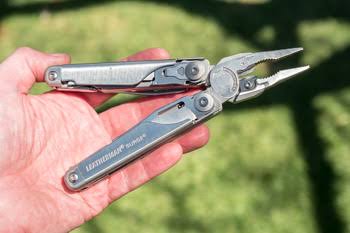
- A basic tool kit with wrenches, screwdrivers, pliers, zip ties, and duct tape
Armor and Protection
Skid plates protect your oil pan, transmission, and transfer case from rocks and debris on rough roads. Steel or aluminum bumpers with integrated winch mounts replace flimsy plastic bumpers. Rock sliders along the rocker panels prevent body damage when navigating tight trails. These also double as a solid step for getting in and out of a lifted vehicle.
Roof Rack and Storage
A roof rack expands carrying capacity significantly. Mount fuel cans, a rooftop tent, spare tires, or waterproof cargo boxes up top. Keep the heaviest items as low as possible to maintain your center of gravity. Inside, use modular storage boxes or a drawer system like Decked for organized slide-out compartments.
Maintenance and Readiness
The most modified vehicle in the world is useless if it will not start. Keep up with regular maintenance. Carry a spare serpentine belt, extra coolant, a quart of oil, and basic fuses. Run the vehicle at least once a week if it is a dedicated bug out rig. Treat stored fuel with PRI-G stabilizer and rotate every six months.
Building a bug out vehicle is a process. Start with the basics: good tires, a winch, extra fuel capacity, and organized supplies. Then add layers as your budget allows. The goal is a reliable vehicle that gets you where you need to go when normal transportation breaks down.