A 72-hour bag keeps you alive and moving for three days when an emergency forces you to leave home. The first 72 hours are the most critical period before organized response mobilizes. Your bag bridges that gap.
Use a quality 40 to 60 liter backpack with a frame, padded hip belt, and comfortable straps. You may carry it for miles under stress.
Water
Carry one liter ready to drink plus purification tools.
A Sawyer Squeeze filter removes bacteria and parasites from any freshwater source. Add purification tablets (Aquatabs) as backup for viruses. A collapsible bottle (Platypus or Hydrapak) provides carry capacity without the weight of an empty rigid bottle.
Shelter
A lightweight tarp (8x10, silnylon) with paracord and stakes provides versatile protection from rain and wind. A SOL Emergency Bivvy traps body heat for warmth.
A compact sleeping pad insulates from the ground, which pulls heat from your body faster than cold air. Total weight under 2 pounds.
Fire
Three ignition methods: BIC lighter (primary), ferro rod (backup), waterproof matches (emergency). Commercial tinder: petroleum jelly cotton balls, WetFire cubes, or waxed jute twine. Natural tinder may not be available or dry.
Food
Calorie-dense, no-cook food: energy bars, nuts, jerky, dried fruit, peanut butter packets.
Target 1,500 to 2,000 calories per day. A metal cup or small pot doubles for boiling water and heating freeze-dried meals (Mountain House or Peak Refuel) if desired.
First Aid
Bandages, gauze, medical tape, antibiotic ointment, ibuprofen, antihistamines, personal medications, CAT tourniquet, QuikClot hemostatic gauze, sunscreen, insect repellent.
Navigation
Baseplate compass (Suunto A-10) and paper map of your region.
GPS may not function. A compass and map work regardless of infrastructure status. Learn to use them before you need them.
Tools and Extras
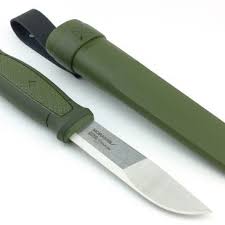
Fixed blade knife. Headlamp with spare batteries. Hand-crank weather radio. 100 feet of paracord. Multitool. Duct tape. Bandana. Cash in small bills. Document copies in a waterproof bag. A change of socks (wet feet cause blisters that become debilitating fast).
Readiness
The bag must be packed and ready to grab at all times. Check every six months: rotate food, replace expired medications, verify batteries, confirm nothing was borrowed and not returned. Store it where you can grab it in under a minute. The whole point is being ready when you are not.