
Putting together an emergency kit for a family of four is a different challenge than building one for a solo adult. Kids need specific items, quantities multiply fast, and you have to plan for scenarios where you might shelter in place for 72 hours or longer. The trick is building a kit that covers the essentials without filling an entire closet.
This checklist breaks it down by category so nothing gets missed.
Water and Water Purification
The general rule is one gallon per person per day for drinking and basic sanitation.
For a family of four over three days, that is 12 gallons. That is a lot of water to store, and it takes up space fast.
- Pre-filled water containers: WaterBricks (3.5 gallon stackable containers) store neatly and cost about $18 each. Four of them gets you to 14 gallons.
- Water purification tablets: Potable Aqua tablets treat up to 25 quarts per bottle.
Keep two bottles ($8 to $12 each) in the kit as backup.
- Portable filter: A Sawyer Squeeze or LifeStraw Community filter lets you use tap water, bathtub water, or collected rainwater if the main supply goes down. The Sawyer Squeeze runs about $30 and filters up to 100,000 gallons.
- For infants: Store extra water specifically for mixing formula. Pre-mixed ready-to-feed formula eliminates the need for purified water entirely.
Food and Nutrition
Forget the stereotype of bland MREs.
A solid family emergency food supply should include things people will actually eat, especially kids.
- Canned goods: Soups, beans, tuna, chicken, fruit in juice. Rotate every 12 months and eat the old stock for regular meals.
- Peanut butter and crackers: High calorie, long shelf life, and kids will eat it without complaint.
- Granola bars and trail mix: Store-bought granola bars last 6 to 12 months and require zero preparation.
- Freeze-dried meals: Mountain House makes family-sized pouches (about $12 each) that last 30 years and only need boiling water.
The pasta primavera and chicken teriyaki are surprisingly good.
- Manual can opener: This gets forgotten more than any other item. A $5 P-38 military can opener weighs almost nothing and works every time.
- Baby and toddler food: Pouches of pureed fruit and vegetables, formula, and any specialty dietary items.
First Aid and Medications
A basic first aid kit from the drugstore is a starting point, but families need to customize beyond that.
- Prescription medications: Keep a 7-day supply of every family member prescription, rotated regularly. Ask your pharmacist for an extra fill specifically for your emergency kit.
- Children pain relief: Liquid ibuprofen and acetaminophen in age-appropriate doses. Check expiration dates every six months.
- Adhesive bandages: More than you think you need. Kids go through bandages fast, even outside of emergencies.
- Antiseptic wipes and antibiotic ointment: Individually wrapped wipes are more sanitary than a shared bottle.
- Thermometer: A digital forehead thermometer is fast and works for all ages.
- Tweezers, medical tape, gauze pads, elastic bandage wraps: Standard supplies for cuts, sprains, and splinters.
- Emergency dental kit: Temporary filling material (Dentemp, about $5) can save someone a lot of pain if a filling comes loose during an extended emergency.
Shelter, Warmth, and Light
- Emergency blankets: Mylar space blankets ($1 each) reflect 90% of body heat. Pack at least two per person.
- Sleeping bags or warm blankets: If sheltering in place during a winter power outage, sleeping bags rated to 20F make a huge difference. Coleman Brazos bags run about $30 each.
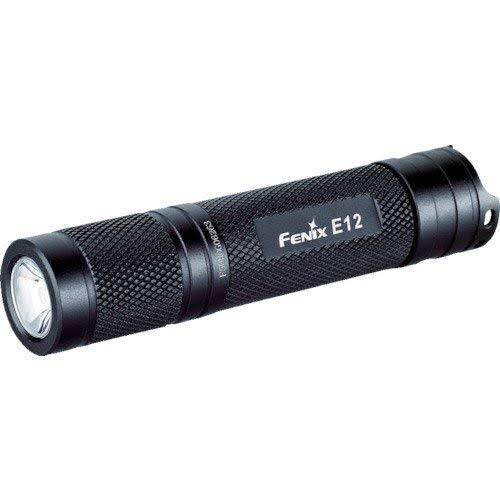
- Flashlights and headlamps: At least one per family member. Headlamps free up your hands. The Black Diamond Spot 400 ($35) is bright and runs on AAA batteries.
- Extra batteries: Buy in bulk and store them with the kit. Check and replace annually.
- Battery-powered or hand-crank radio: A NOAA weather radio picks up emergency broadcasts when the power and internet are down. The Midland ER310 ($40) has a hand crank, solar panel, and USB charging port.
- Candles and waterproof matches: Backup lighting if batteries run out. Use candles in a glass jar to prevent fire risk.
Documents and Communication
This category is the one most families skip entirely, and it is arguably the most important for recovery after an event.
- Copies of IDs: Drivers licenses, passports, birth certificates, Social Security cards. Laminated photocopies stored in a waterproof bag.
- Insurance documents: Home, auto, health, and life insurance policy numbers and phone numbers.
- Emergency contact list: Printed, not just on your phone. Include out-of-state contacts since local lines may be jammed.
- Cash: Small bills and coins. ATMs and card readers do not work without power. Keep $200 to $300 in your kit.
- USB drive with digital backups: Scanned copies of all important documents on a thumb drive in a waterproof bag.
Build the kit in stages if the cost feels overwhelming. Start with water and food, add first aid supplies the next month, then round it out with shelter and document items. Once it is assembled, set a calendar reminder every six months to rotate food, check batteries, and update medications. A kit that sits untouched for three years is barely better than no kit at all.