Updated for 2026 — This article has been reviewed and updated with the latest recommendations.
The standard mylar emergency blanket has saved lives. It is cheap, ultralight, and reflects about 90% of radiated body heat back toward you. But anyone who has actually used one in a real emergency knows the limitations. They tear if you look at them wrong. They are impossibly noisy, crackling with every breath and movement. They do not block wind effectively. And they provide zero insulation from ground contact, which is where most heat loss occurs when you are lying down.
For serious preparedness, there are better options that build on the reflective heat principle while addressing the durability, wind protection, and insulation weaknesses of basic mylar.
Upgraded Mylar: SOL Heavy Duty Emergency Blanket
Adventure Medical Kits SOL line makes a heavy-duty version of the standard mylar blanket that is significantly more durable.
The material is thicker vacuum-metalized polyethylene rather than the ultra-thin mylar used in basic blankets. It resists tearing far better, can actually be gripped and wrapped without shredding, and is somewhat less noisy.
The SOL Heavy Duty measures 5 by 7 feet, which is large enough to wrap around your entire body with overlap. It still reflects about 90% of radiated heat and weighs just 3.5 ounces.
The orange exterior is visible for signaling.
This is the best upgrade for anyone who currently carries a basic mylar blanket and wants better performance without a significant increase in weight or packed size. It costs more than a basic blanket but less than most of the other options on this list.
Bivy Style: SOL Escape Bivvy
The SOL Escape Bivvy is shaped like a sleeping bag rather than a flat blanket.
You climb inside it, and the bivvy wraps around your entire body with a sealed bottom and a hood. This eliminates the main problem with flat blankets: keeping them wrapped around you while you sleep.
The material is a breathable version of the reflective technology that allows water vapor from perspiration to pass through while retaining heat. This is a critical improvement over standard mylar, which traps all moisture inside and leaves you damp and clammy within hours.
At 8.5 ounces, it is heavier than a flat blanket but still light enough for any emergency kit. The bivvy form factor provides better wind protection because there are no open edges for wind to blow through. It also provides ground insulation since you are sitting on the reflective material rather than just being covered by it.
Blanket Style: Grabber All Weather Blanket
The Grabber All Weather Blanket layers a reflective coating onto a woven polyethylene substrate rather than using thin film.
The result is a blanket that is genuinely strong. You can fold it, stuff it, sit on it, use it as a ground cloth, build a shelter with it, and generally abuse it without worrying about tears.
The woven material blocks wind completely, which addresses one of the biggest thermal threats in emergency situations. Wind chill strips heat from your body far faster than still cold air, and a windproof blanket eliminates this vector entirely.
It weighs about 12 ounces and packs to about the size of a paperback book.
The trade-off for the durability is increased weight and bulk compared to film-style blankets. For vehicle emergency kits, base camp kits, and situations where weight is not the primary constraint, this is the best option.
Tarp Style: Titan Two-Sided Survival Blanket
The Titan survival blanket is a larger, sturdier reflective tarp with grommeted corners.
The grommets allow you to string it up as a reflective heat shelter, which is useful in scenarios where you need overhead protection combined with radiant heat reflection.
String the blanket between two trees at an angle, sit in front of a fire, and the blanket reflects the fire heat back toward you while blocking wind and rain from behind. This configuration is one of the most effective improvised shelter heating methods available.
You get heat from the fire in front and reflected heat from the blanket behind.
The two-sided design has reflective silver on one side and a colored (usually orange or green) waterproof surface on the other. Use the silver side facing you for heat reflection or the colored side out for signaling and rain protection.
Wool Alternative: Military Surplus Wool Blanket
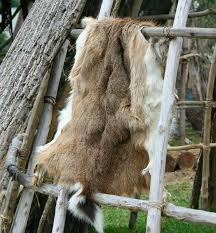
Stepping away from reflective technology entirely, a dense wool blanket is one of the oldest and most reliable emergency warmth options available. Wool insulates when wet, which no reflective blanket can claim. It does not tear, does not make noise, and provides genuine thermal insulation rather than just reflecting your own body heat.
Military surplus wool blankets are heavy (3-5 pounds) and bulky. They are not practical for backpacking emergency kits. But for vehicle kits, cabin kits, and home emergency supplies, a good wool blanket provides warmth that no amount of reflective film can match in sustained cold exposure.
The combination of a wool blanket inside a reflective bivy or tarp is the most effective emergency warmth setup you can assemble. The wool provides insulation while the reflective layer retains the heat the wool generates.
Choosing the Right Option
For ultralight emergency kits where weight is critical, the SOL Heavy Duty blanket is the best balance of protection and weight. For kits where you have more space, the Escape Bivvy provides superior overnight protection. For vehicle and home kits, the Grabber All Weather Blanket or a wool blanket gives you the durability and sustained warmth that film blankets cannot provide.
Whatever you choose, test it before you need it. Spend a night in your backyard wrapped in your emergency blanket to understand its strengths and limitations. This experience will teach you more about emergency warmth management than any article can.